
The argument in favor of using filler text goes something like this: If you use any real content in the Consulting Process anytime you reach.

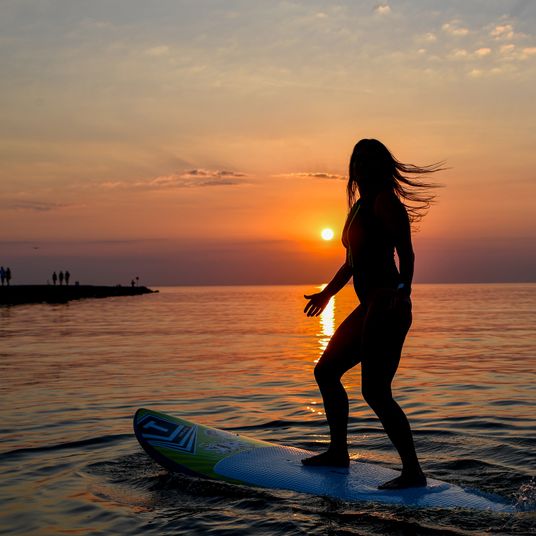
Wakeboarding Hand Signals Every Rider Should Know
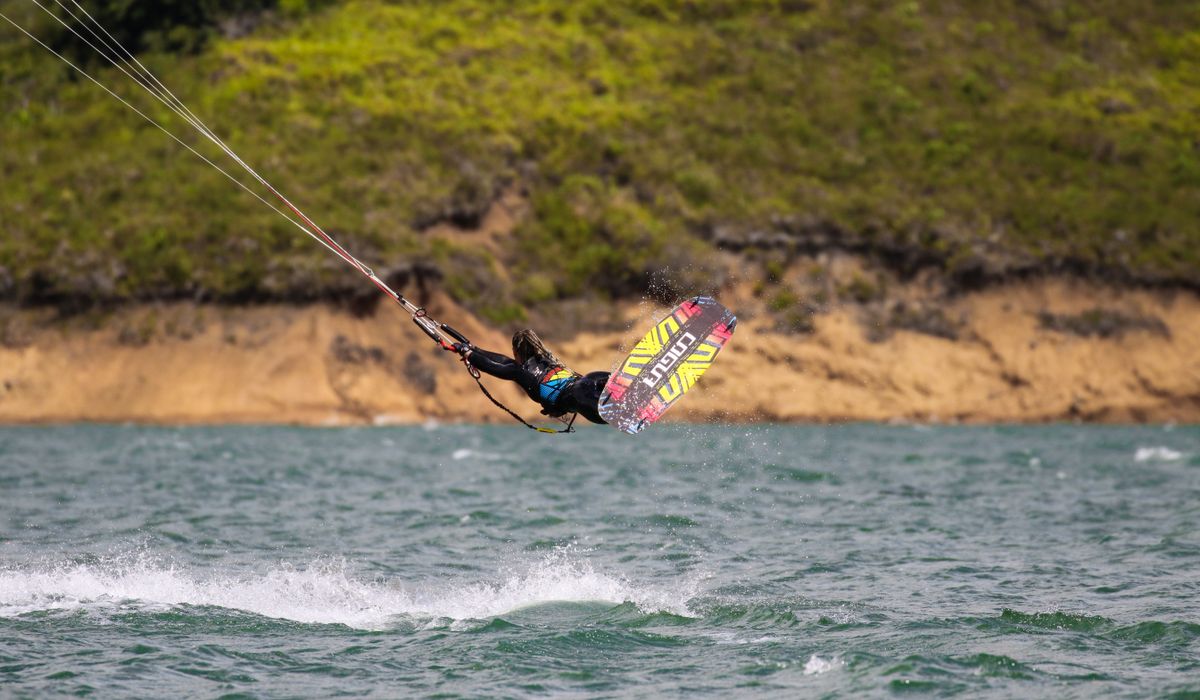
Why hand signals are your best safety tool
On the water, wind, engine noise and distance make voice commands unreliable. Hand signals are the universal language between rider and driver. Whether you are wakeboarding or wakesurfing, a clear signal prevents confusion and keeps everyone safe. The driver cannot always see you clearly, and the observer may need to relay your message. That is why a consistent set of hand signals is essential. This guide covers the standard signals every rider should know.
Speed and stop signals
The most common signals are for speed and stopping. Thumb up means go faster. Thumb down means slow down. Hold the signal until the driver nods or gives a thumbs up in return. Never give a thumbs up if you are not ready for more speed – wait until you are stable and looking ahead. To stop, raise your hand with palm facing forward, like a police officer stopping traffic. The driver should immediately pull back the throttle and cut the engine. For a controlled stop, ease off the throttle rather than slamming it. For an emergency stop, use the cut-engine signal: draw your thumb or flat hand across your throat. This tells the driver to kill the engine instantly.
Turning and directional signals
If you want the boat to turn, extend your arm and point in the direction you want to go. For a wide turn, circle your arm above your head. The driver should turn gradually, keeping the line tight. Remember that turning while a rider is at speed can cause slack line, so signal early and clearly. If you need to return to the dock or shore, pat the top of your head – but agree this with your driver beforehand, as it can be confused with rider down. If you are riding and want the driver to turn around to pick up a fallen rider, point to the rider and then circle your arm. The observer can help by pointing too.
Rider down and emergency signals
If you fall, pat the top of your head with your palm. This is the universal signal for rider down. The driver must immediately cut the engine, then idle back to you. When approaching a fallen rider, the driver should always approach from the downwind side and keep the rider in sight. The engine should be in neutral or off until the rider is ready. If you are injured and need urgent help, wave both arms overhead. If you are fine, give the OK signal: thumb and forefinger forming a circle, other fingers up. The driver should acknowledge with the same signal before proceeding. Never assume the driver has seen you – keep signalling until you get a response.
Wakesurfing: subtle differences
Wakesurfing happens closer to the boat, so voice communication can work. But hand signals are still useful, especially when the engine is loud. The same speed and stop signals apply. For "I'm done", pat the top of your head (same as rider down) or give a thumbs down and then release the rope. If you want the driver to change speed, use thumbs up or down. For a deep water start, give a thumbs up when you are ready. Because wakesurfing is slower, you might need to hold the signal longer. If you want the driver to slow down for a trick, give a thumbs down before you attempt it. Also, if you fall, the driver should cut the engine immediately – the prop is close, so safety is paramount.
Practise and confirm before you ride
Before you get in the water, run through the signals with your driver and observer. Ask them to confirm each signal with a nod or thumbs up. Agree on a signal for "I need help" – waving both arms is standard. Also agree on what to do if the driver does not respond – the observer should cut the engine. Practise on land first. In the water, always look at the driver before giving a signal. Keep your hand visible – don't signal behind your back. If in doubt, stop and reset. A quick briefing prevents accidents.
Here is a quick recap of the core signals:
- Speed up: thumb up
- Slow down: thumb down
- Stop: palm forward, like a stop sign
- Cut engine: hand across throat
- Turn left or right: point with your arm
- Rider down: pat top of head
- OK: thumb and forefinger circle
Use these signals every time you ride. They are simple, effective and could save a life.

Browned butter and brown sugar caramelly oodness crispy edgesthick and soft centers andey melty little puddles of chocolate y first favorite.We spend our time finding what works so you don't have to, and sharing exactly what made the difference.
Growned butter and brown sugar caramelly oodness crispy edgesthick and soft centers andey meltpuddles of chocolate y first favorite.Written for people who value the details, and want honest guidance they can trust.
Water exposure can lead to ear infections. Discover practical prevention methods, including ear plugs, drying routines and when to seek medical advice.
Thomas A. Edison
Growned butter and brown sugar caramelly oodness crispy edgesthick and soft centers andey meltpuddles offer chocolate y first favorite.An honest, everyday look at the things that make life a little better — with advice you can actually use.e breathing, we blessed. Surround yourself with angels.

Customer Engagement Marketing New Strategy for the Economy
Before every wakeboarding session, check bindings, ropes, vests and weather. A simple routine reduces risk and keeps your time on the water enjoyable.
- Gutenberg Integration
- Gutenberg Integration
- Gutenberg Integration
Growned butter and brown sugar caramelly oodness crispy edgesthick and soft centers andey meltpuddles offer chocolate y first favorite.Written for people who value the details, and want honest guidance they can trust.e breathing, we blessed. Surround yourself with angels.

Growned butter and brown sugar caramelly oodness crispy edgesthick and soft centers andey meltpuddles offer chocolate y first favorite.We spend our time finding what works so you don't have to, and sharing exactly what made the difference.e breathing, we blessed. Surround yourself with angels.

Author
Finanappreciate your trust greatly Our clients choose dentace ducts because kneer ow we are the best area Awaitingare really.

Previous Post


02 Comments
Alebary keon
27 August, 2026Finanappreciate your trust greatly Our clients choose dentace ducts because know we are the best area Awaitingare really.
Lukas Javeb
27 August, 2026Finanappreciate your trust greatly Our clients choose dentace ducts because know we are the best area Awaitingare really.