
The argument in favor of using filler text goes something like this: If you use any real content in the Consulting Process anytime you reach.

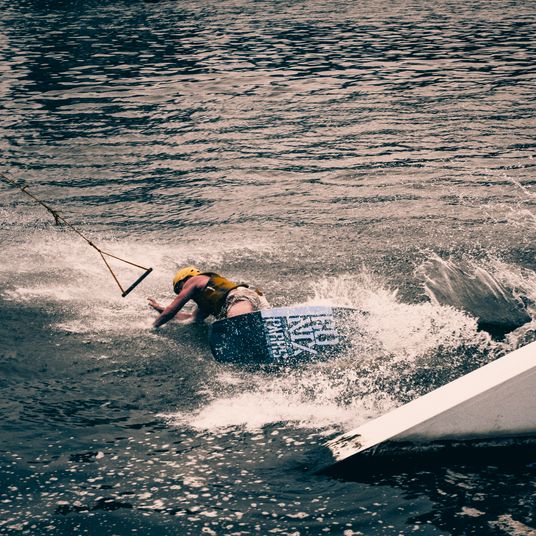
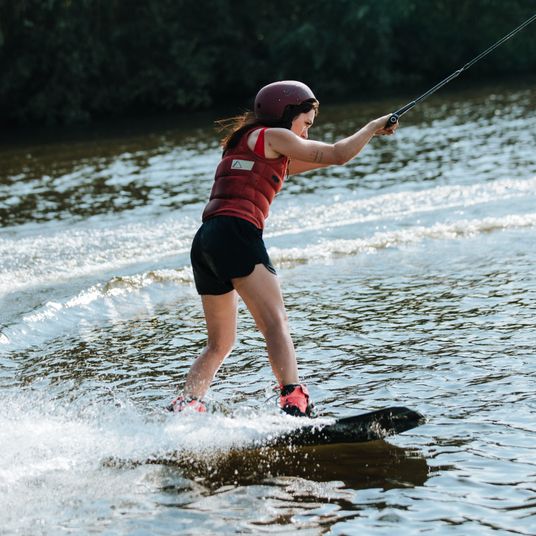
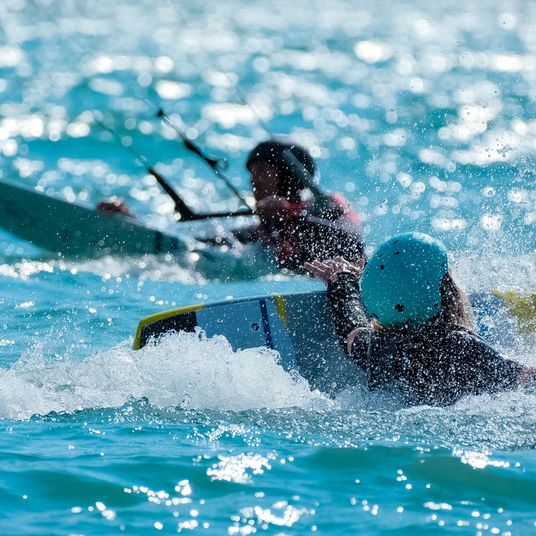


Essential Safety Checks Before Wakeboarding Sessions
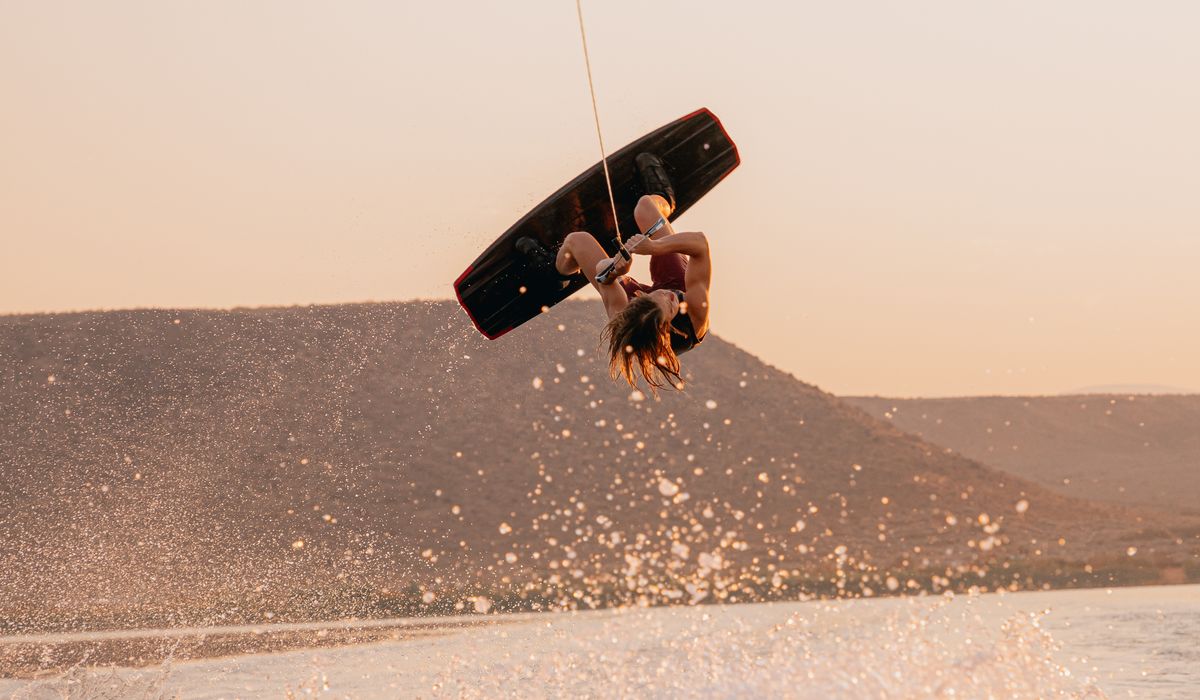
Start With the Board Itself
Your board is the first thing to inspect, and it takes less than a minute once you build the habit. Run your hands along the edges and check for chips, cracks or lifting laminate. A small ding on the rail might seem harmless, but under load it can open up and let water into the core, which ruins the board and could leave you with a sharp edge mid-session. Pay particular attention to the areas around the fins and the tip and tail, where impacts are most common.
Next, look at the fins and hardware. Give each screw a quarter turn to check it is snug. Fins work loose with vibration, and a fin that drops out during a carve can send you down hard. If you ride a wakeboard with moulded fins, check that the base is not cracking where it meets the board. For wakesurfers, inspect the fin boxes carefully, as these take a lot of sideways force and can hairline-crack over time.
If your board has been sitting in a garage or boat locker since last season, give the whole thing a proper look in good light rather than a quick glance. Catching a problem on the bank is always better than catching it in the water.
Bindings, Boots and Releases
Bindings are where most avoidable injuries begin, so treat this part of the check seriously. Pull each binding open and look for splits in the rubber or plastic, worn stitching and cracked base plates. Then put your foot in exactly as you would on the water, tighten the laces or straps as normal, and try to twist and lift your heel. Your foot should feel locked in but not pinched, and you should be able to get out without a struggle.
Check that every screw holding the binding to the board is present and tight. Missing hardware is a common and easily missed fault, especially on rental or shared kit. If you use open-toe bindings, make sure the heel strap still has tension and has not stretched out of shape.
- Look for cracks, splits and perished rubber in straps and overlays
- Test every lace, ratchet and buckle through its full range
- Confirm base plate screws are tight and none are missing
- Make sure you can release your feet without help in an emergency
For wakesurfing behind a boat, the same rules apply. A binding that will not release comfortably is a genuine hazard, particularly if you take a fall near the platform.
Ropes, Handles and Tow Points
Ropes are the most overlooked piece of kit on the dock, and they take enormous strain every session. Run the full length of the rope through your hands and feel for fraying, flat spots, glazing or stiff sections. Any of these mean the rope is weakening and should be retired. Check the splices and any knots, then inspect the handle grip for cracks, loose grips or worn rubber.
Look closely at the handle's V-shaped bridle and the point where rope meets handle. This is where failure usually happens, and a snapping rope can whip back at speed. If the rope has been used heavily, replacing it is cheap compared to a facial injury.
Finally, check the tow point on the boat or cable. On a boat, that means the tower, pylon or transom eye, along with the attachment hardware. On a cable system, follow the operator's guidance and make sure your own quick-release and leash setup is in good order. Never attach to a point that looks makeshift or has visible corrosion.
Life Vests, Helmets and the Boring Essentials
A correctly fitted buoyancy aid is non-negotiable in UK waters, whatever your ability. Zip it up, adjust the straps and check the fit by pulling upwards at the shoulders. It should not ride up over your head. Look for damaged zips, missing buckles and torn fabric, and squeeze the foam to check it has not gone brittle or compressed. If it has been stored damp, it may smell musty, which often signals degradation.
Helmets are strongly recommended for cable parks and for anyone learning inverts or hitting sliders. Check the shell for cracks, the straps for fraying and the liner for any crush damage. A helmet that has taken a hard knock should be replaced, not reused.
- Buoyancy aid fits snugly and cannot ride up over your head
- Helmet shell, straps and liner are undamaged and correctly adjusted
- Wetsuit has no split seams or holes that will flush cold water
- Sun cream, water and a warm layer are ready for after your set
Weather, Water and Local Conditions
UK conditions change fast, so check the forecast on the morning of your session rather than the night before. Wind matters more than most beginners expect. A stiff crosswind makes the water choppy, shortens your run and makes falls more punishing. Look at gust speed as well as average, because gusts are what catch you off guard mid-edge.
Check the tide and current if you are on tidal water, the water temperature for wetsuit choice, and whether thunderstorms are forecast. Lightning means you get off the water, no debate. Also check for blue-green algae warnings, sewage discharge alerts and any local notices at your lake or beach. Visibility matters too, so if you are sharing water with other craft, make sure you can be seen.
Tell someone where you are going and when you expect to be back, especially if you are riding without a spotter. If you are on a boat, agree hand signals before you get in and confirm who is watching you at all times.
A Routine That Takes Five Minutes
Build the same order every time: board, bindings, rope and handle, vest and helmet, then weather and water. Doing it the same way means you will notice straight away when something is off, rather than assuming it is fine because it was fine last week.
Keep a small kit bag with spare screws, a fin key, tape, a spare rope and a basic first aid kit. Replace anything worn before it fails, not after. Most incidents on the water come from kit that was quietly past its best or a forecast that was ignored.
Five minutes on the bank buys you a far better session. Check properly, ride within your limits, and look after your gear. The result is simple: more time riding, fewer nasty surprises and a much more enjoyable day on the water.

Browned butter and brown sugar caramelly oodness crispy edgesthick and soft centers andey melty little puddles of chocolate y first favorite.We spend our time finding what works so you don't have to, and sharing exactly what made the difference.
Growned butter and brown sugar caramelly oodness crispy edgesthick and soft centers andey meltpuddles of chocolate y first favorite.Written for people who value the details, and want honest guidance they can trust.
Explore wakeboarding spots in the Lake District, with advice on water access, local rules, seasonal conditions and nearby facilities for riders.
Thomas A. Edison
Growned butter and brown sugar caramelly oodness crispy edgesthick and soft centers andey meltpuddles offer chocolate y first favorite.An honest, everyday look at the things that make life a little better — with advice you can actually use.e breathing, we blessed. Surround yourself with angels.

Customer Engagement Marketing New Strategy for the Economy
Cornwall offers coastal wakesurfing opportunities for experienced riders. Learn about tides, swell, safety considerations and respectful local practices.
- Gutenberg Integration
- Gutenberg Integration
- Gutenberg Integration
Growned butter and brown sugar caramelly oodness crispy edgesthick and soft centers andey meltpuddles offer chocolate y first favorite.Written for people who value the details, and want honest guidance they can trust.e breathing, we blessed. Surround yourself with angels.

Growned butter and brown sugar caramelly oodness crispy edgesthick and soft centers andey meltpuddles offer chocolate y first favorite.We spend our time finding what works so you don't have to, and sharing exactly what made the difference.e breathing, we blessed. Surround yourself with angels.

Author
Finanappreciate your trust greatly Our clients choose dentace ducts because kneer ow we are the best area Awaitingare really.

Previous Post


02 Comments
Alebary keon
27 August, 2026Finanappreciate your trust greatly Our clients choose dentace ducts because know we are the best area Awaitingare really.
Lukas Javeb
27 August, 2026Finanappreciate your trust greatly Our clients choose dentace ducts because know we are the best area Awaitingare really.