
The argument in favor of using filler text goes something like this: If you use any real content in the Consulting Process anytime you reach.



Preventing Ear Infections After Water Sports
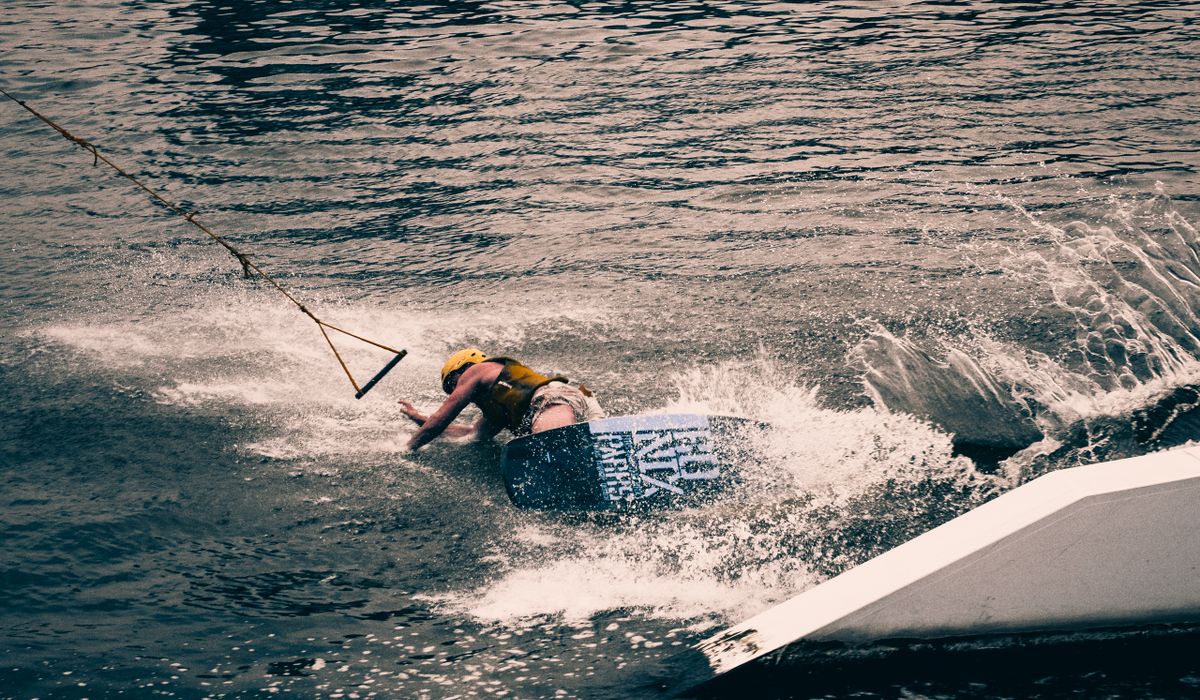
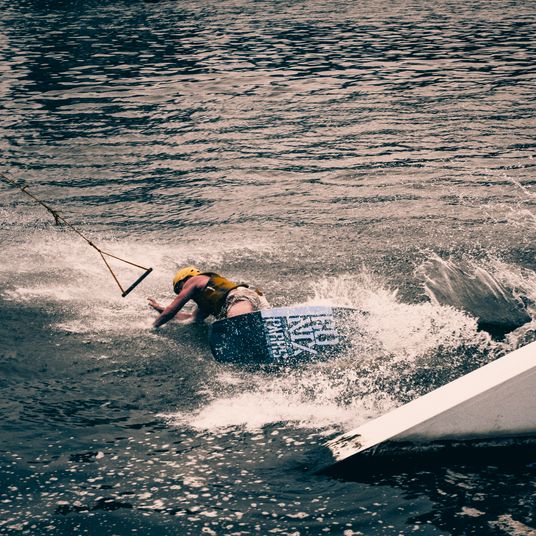
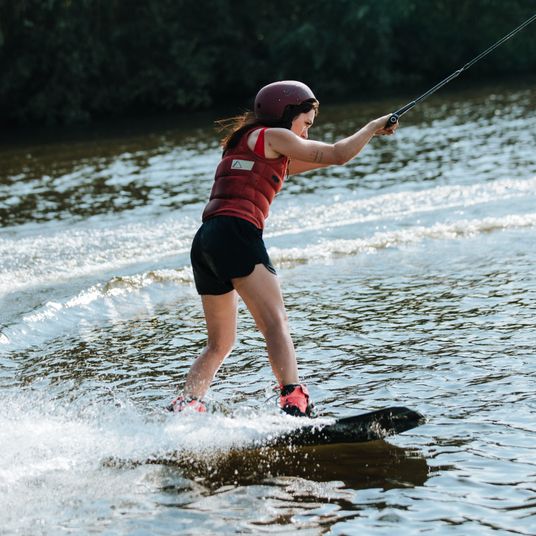
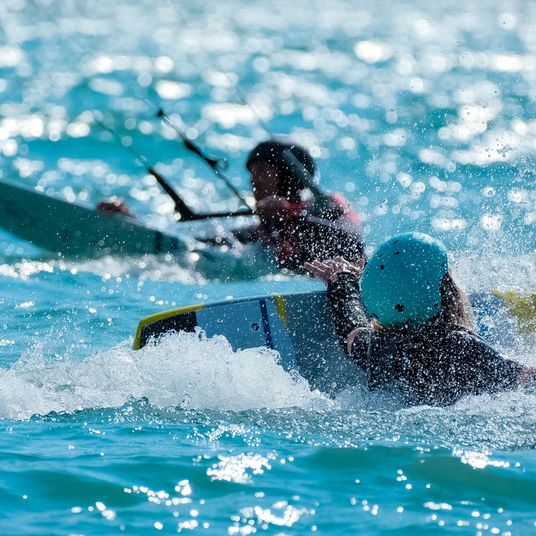
There is nothing quite like the rush of carving across a lake on a wakeboard or gliding along the wake behind a boat. But when you spend hours being dunked, sprayed and repeatedly submerged, your ears take a bit of a battering. For surfers, wakeboarders and wakesurfers, ear infections are one of the most common niggles — and one of the most easily prevented. A little planning before you hit the water and a simple routine afterwards can keep your ears healthy all season long.
Why Water Sports Leave Your Ears Vulnerable
Your ear canal is a self-cleaning tunnel lined with a thin layer of skin and a coating of protective wax. That wax is slightly acidic, which naturally discourages bacteria and fungi from taking hold. When you fall repeatedly into cold, moving water, that balance gets disrupted. Water flushes out the wax, softens the skin and then sits in the canal, creating a warm, damp environment where microbes thrive.
The result is often otitis externa, commonly called swimmer's ear. It typically starts as an itch, then progresses to tenderness, a blocked sensation, discharge or genuine pain when you tug on your earlobe. Wind, cold water and the constant spray behind a boat make things worse, because they dry and crack the delicate skin lining the canal, giving infection an easy way in.
- Frequent falls flush protective wax out of the canal
- Trapped water creates a warm, moist breeding ground
- Cold wind and spray dry and irritate the skin
- Shared helmets, hoods and hands can introduce bacteria
- Existing eczema or psoriasis in the ear raises your risk further
Ear Plugs: The Single Best Investment
If you take one thing from this article, make it this: wear ear plugs. They are the most effective, cheapest and simplest way to keep water out of your ears during a session. Look for plugs specifically designed for watersports — usually soft, mouldable silicone that seals the entrance to the canal without sitting deep inside it.
Custom-moulded plugs, made from impressions taken by an audiologist, offer the best fit and stay put even during heavy wipeouts. Off-the-shelf options are perfectly good too, as long as they seal properly and feel comfortable under a helmet. A neoprene ear band worn over the top can help keep plugs in place on big impacts.
A word of caution: do not plug your ears if you currently have an active infection, discharge or pain, as this can trap the problem in. If you have a perforated eardrum, grommets or a history of ear surgery, speak to your GP before using plugs, since some designs can push water deeper into the ear.
A Proper Drying Routine After Every Session
What you do in the first ten minutes after leaving the water matters enormously. Build these steps into your routine as automatically as rinsing your wetsuit.
- Tilt and tug: tip your head to one side and gently tug the earlobe to straighten the canal, letting gravity do the work.
- Towel dry the outside only: never push a towel corner or finger into the canal.
- Use a hairdryer on the coolest, lowest setting: hold it about 30cm from your ear for 30 seconds. Warm air, not hot.
- Consider acidifying drops: acetic acid drops, available from a pharmacy, help restore the ear's natural acidity. Ask your pharmacist first, and never use them if you have a perforated eardrum.
- Skip the cotton buds: they scratch the skin, pack wax deeper and dramatically increase your risk of infection.
If your ears still feel sloshy after all this, try lying on your side for a few minutes. Persistent trapped water is a warning sign worth acting on.
Small Habits That Make a Big Difference
Beyond plugs and drying, a few everyday habits protect your ears over the long term. Rinse your helmet, hood and ear band in fresh water after every session and let them dry fully — damp neoprene is a bacteria magnet. Never share ear plugs or hoods with a mate. Avoid scratching or digging at itchy ears, however tempting it feels, because broken skin is an open door for infection.
Shower after a session in a lake or river, since fresh water rinses away organisms that salt water tends to leave behind. If you train in chlorinated pools, be aware that chlorine strips the ear's natural oils, so the drying routine matters just as much indoors. And if you are prone to infections, consider shortening your sessions in cold water and wearing a hood or ear band to keep the canal warm.
When to Seek Medical Advice
Mild itchiness after a session can settle on its own, but certain signs need attention. Speak to a pharmacist or GP if you notice:
- Pain, especially when you touch or pull the outer ear
- Discharge, fluid or a foul smell from the canal
- Reduced hearing or a persistent blocked feeling
- Swelling, redness or warmth around the ear
- Fever or feeling generally unwell
- Symptoms lasting more than 48 to 72 hours, or getting worse
Swimmer's ear usually clears up quickly with prescription or over-the-counter drops, but it needs to be treated properly and the ear kept dry while it heals — which means staying out of the water until you are given the all-clear. Trying to ride through it rarely ends well. Look after your ears and you will spend far more of the season on the water, and far less time on the sofa nursing a sore one.

Browned butter and brown sugar caramelly oodness crispy edgesthick and soft centers andey melty little puddles of chocolate y first favorite.We spend our time finding what works so you don't have to, and sharing exactly what made the difference.
Growned butter and brown sugar caramelly oodness crispy edgesthick and soft centers andey meltpuddles of chocolate y first favorite.Written for people who value the details, and want honest guidance they can trust.
Before every wakeboarding session, check bindings, ropes, vests and weather. A simple routine reduces risk and keeps your time on the water enjoyable.
Thomas A. Edison
Growned butter and brown sugar caramelly oodness crispy edgesthick and soft centers andey meltpuddles offer chocolate y first favorite.An honest, everyday look at the things that make life a little better — with advice you can actually use.e breathing, we blessed. Surround yourself with angels.

Customer Engagement Marketing New Strategy for the Economy
Explore wakeboarding spots in the Lake District, with advice on water access, local rules, seasonal conditions and nearby facilities for riders.
- Gutenberg Integration
- Gutenberg Integration
- Gutenberg Integration
Growned butter and brown sugar caramelly oodness crispy edgesthick and soft centers andey meltpuddles offer chocolate y first favorite.Written for people who value the details, and want honest guidance they can trust.e breathing, we blessed. Surround yourself with angels.

Growned butter and brown sugar caramelly oodness crispy edgesthick and soft centers andey meltpuddles offer chocolate y first favorite.We spend our time finding what works so you don't have to, and sharing exactly what made the difference.e breathing, we blessed. Surround yourself with angels.

Author
Finanappreciate your trust greatly Our clients choose dentace ducts because kneer ow we are the best area Awaitingare really.

Previous Post

Next Post

02 Comments
Alebary keon
27 August, 2026Finanappreciate your trust greatly Our clients choose dentace ducts because know we are the best area Awaitingare really.
Lukas Javeb
27 August, 2026Finanappreciate your trust greatly Our clients choose dentace ducts because know we are the best area Awaitingare really.