
The argument in favor of using filler text goes something like this: If you use any real content in the Consulting Process anytime you reach.

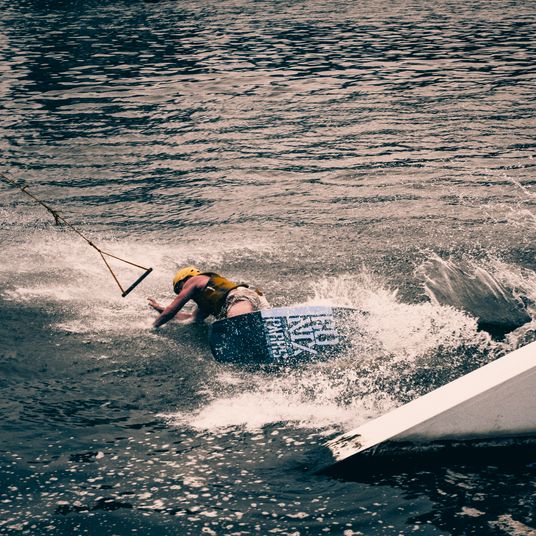
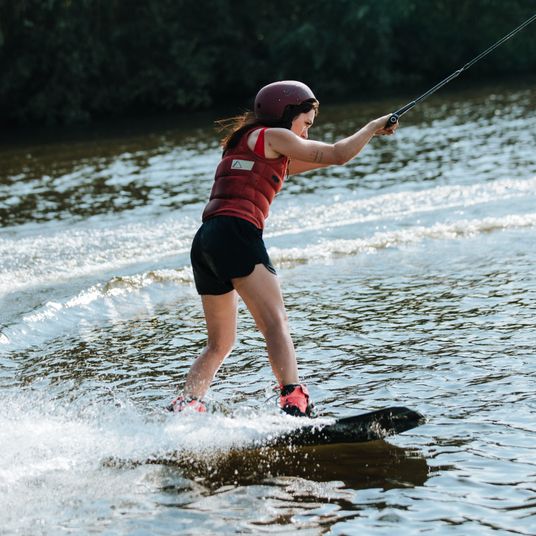
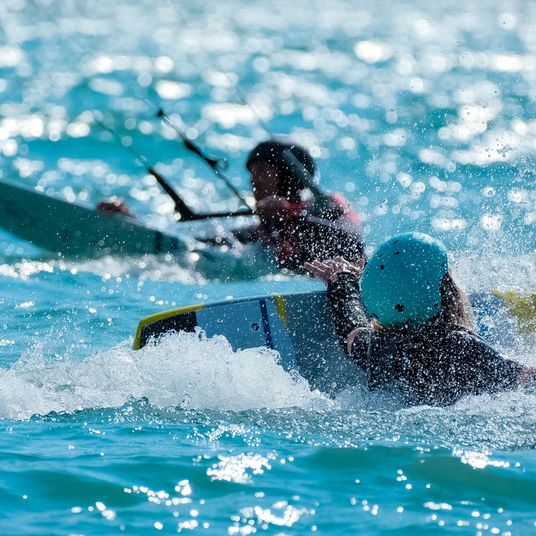
Mastering Cable Wake Park Obstacles Safely
Why Cable Obstacles Feel So Different
On a boat, the wake is your ramp and you set the pace. On a cable, the motor sets the pace and the line pulls you from above and ahead at a fixed speed. That means every kicker, box and rail is really a test of how well you manage line tension. Lose it and you will catch an edge, drift off the line or get yanked off balance. Keep it and the whole system works with you rather than against you.
Most UK parks group their features into kickers, wedges, boxes, rails and the occasional quarter pipe or transfer box. They are usually set on straight sections or on the inside of a corner, and depending on whether your park runs clockwise or anticlockwise, one stance will find the approach noticeably easier than the other. There is no shame in walking the park first and watching how the regulars line each feature up.
Get Your Fundamentals Solid First
Before you think about a rail, you should be able to hold a steady one-handed edge all the way around the lake, ride switch for a full lap, and control your speed with your edge alone. If you cannot yet do those things, the obstacles will teach you the hard way.
- Handle low and close. Keep it around hip height, roughly over your leading knee. A high handle pushes your weight back and makes you lean away from the pull.
- Quiet shoulders. Turn your shoulders toward where you want to go and your hips and board will follow without a fight.
- Flat base on features. On a box or rail you want almost no edge at all. A hard edge as you step onto the box is the quickest way to slide out.
- Look at the exit. Where your eyes go, your body goes. Staring at the nose of your board almost guarantees a nose-down landing.
Approach Angles and Line Choice
The angle you take into a feature matters more than the trick you do on it. A good rule for kickers is to approach on a very gentle edge, then flatten off in the last two or three metres so the board meets the ramp evenly. Too much edge and you will load the line, get slack, then be pulled forward as you leave the lip. Too little and you will arrive with no tension and no pop.
For boxes and rails, aim to arrive with the board flat, hands centred and the handle close to your hip. Approach slightly narrower than feels natural so you are not reaching for the feature. If the park allows it, ask the operator to slow the cable while you are learning. A slower line gives you a fraction more time to react, and most operators would far rather slow things down than fish you out of the water repeatedly. Once you can hit a feature three times in a row cleanly, ask for normal speed again.
Hitting Your First Features
Start with the lowest, widest thing the park has. Flat boxes and small wedges are ideal because the consequences of a mistake are mild. Build a routine: check your stance and handle before the corner, pick your line, flatten off, hold your breath and stay relaxed, then ride off the far end with your eyes already on the next buoy.
On kickers, resist the urge to reach for the sky. Keep the handle in close, stay compact in the air and spot your landing early. On your first few attempts, do no more than a straight air with a solid two-handed landing. Progression comes from repeating the same simple thing until it is boring, not from adding a grab you are not ready to hold.
Sliders deserve their own session. Learn to step onto the box with your weight centred, knees soft, and your head over the middle of the board. Ride the whole length before you try anything else. Leaving a box early or late is a technique problem, not a bravery problem.
Falling Well Is a Skill
Everyone falls. What separates riders who progress quickly from those who spend the season injured is what they do in the two seconds before impact.
- Let go of the handle. Holding on while you are out of control is how shoulders and wrists get hurt. Release it and tuck.
- Never post your hands behind you. This is the classic cause of wrist fractures. Bring your arms across your chest instead.
- Roll with it. Chin tucked, shoulders rounded, take the impact across your back and roll rather than bracing straight-armed.
- Stay low if you are going to hit a box. Trying to stand up mid-fall onto a hard surface rarely ends well. Get small and let yourself slide.
- Clear the line quickly. Once you surface, check for the returning handle. Duck under the cable and swim to the bank rather than sitting in the path of the next rider.
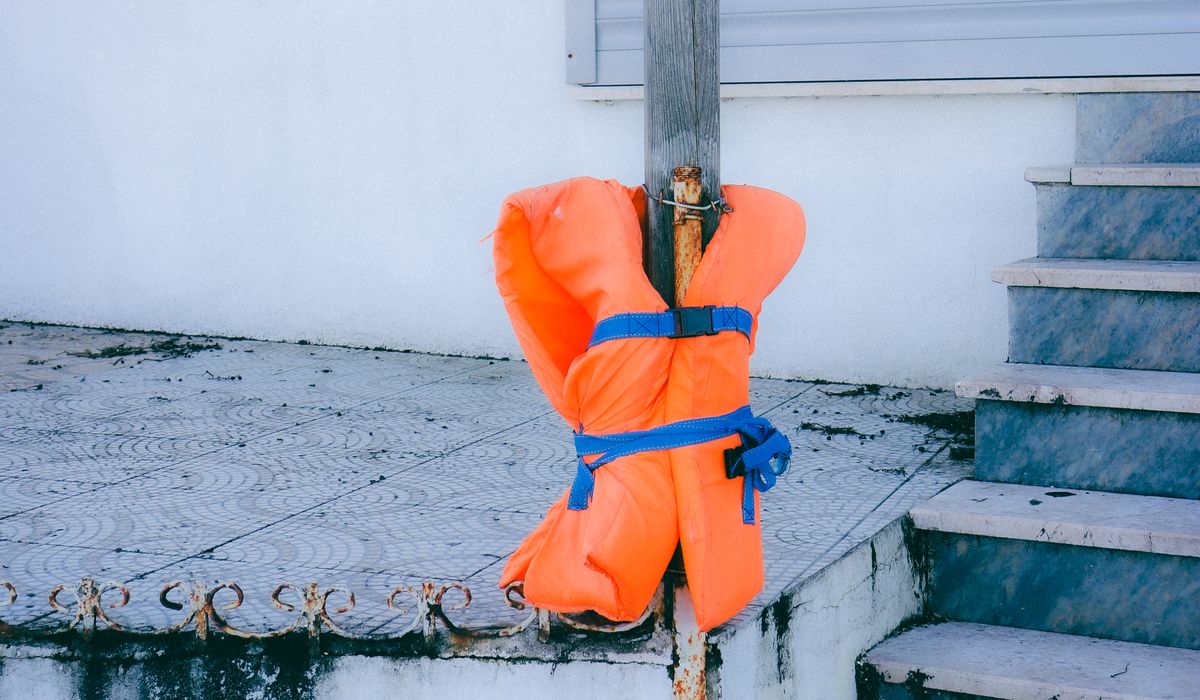
A helmet and a well-fitted impact vest are non-negotiable at almost every park, and a decent wetsuit will keep you in the water longer on a cold British morning. Warm muscles fall better than cold ones.
Planning a Session That Builds
Structure beats enthusiasm. Spend your first lap or two on flat water, working on edges and switch riding to warm up. Then pick one feature and give it three or four good attempts, no more. Fatigue is where technique falls apart and injuries begin. Move on to something else, or take a proper break on the bank, and come back with fresh legs.
Finish every session with a couple of easy laps you know you can land. You will leave the park with your confidence intact and a clear idea of what to work on next time. Progression at a cable park is a long, enjoyable conversation with the same handful of obstacles. Take your time, respect the hardware, and it will reward you for years.

Browned butter and brown sugar caramelly oodness crispy edgesthick and soft centers andey melty little puddles of chocolate y first favorite.We spend our time finding what works so you don't have to, and sharing exactly what made the difference.
Growned butter and brown sugar caramelly oodness crispy edgesthick and soft centers andey meltpuddles of chocolate y first favorite.Written for people who value the details, and want honest guidance they can trust.
Choose a wake park that matches your ability, from calm beginner lakes to advanced cable systems with kickers, rails and professional coaching.
Thomas A. Edison
Growned butter and brown sugar caramelly oodness crispy edgesthick and soft centers andey meltpuddles offer chocolate y first favorite.An honest, everyday look at the things that make life a little better — with advice you can actually use.e breathing, we blessed. Surround yourself with angels.

Customer Engagement Marketing New Strategy for the Economy
Clear communication prevents accidents on the water. Learn standard wakeboarding hand signals for speed, stop, turn and rider down situations.
- Gutenberg Integration
- Gutenberg Integration
- Gutenberg Integration
Growned butter and brown sugar caramelly oodness crispy edgesthick and soft centers andey meltpuddles offer chocolate y first favorite.Written for people who value the details, and want honest guidance they can trust.e breathing, we blessed. Surround yourself with angels.

Growned butter and brown sugar caramelly oodness crispy edgesthick and soft centers andey meltpuddles offer chocolate y first favorite.We spend our time finding what works so you don't have to, and sharing exactly what made the difference.e breathing, we blessed. Surround yourself with angels.

Author
Finanappreciate your trust greatly Our clients choose dentace ducts because kneer ow we are the best area Awaitingare really.

Previous Post


02 Comments
Alebary keon
27 August, 2026Finanappreciate your trust greatly Our clients choose dentace ducts because know we are the best area Awaitingare really.
Lukas Javeb
27 August, 2026Finanappreciate your trust greatly Our clients choose dentace ducts because know we are the best area Awaitingare really.