
The argument in favor of using filler text goes something like this: If you use any real content in the Consulting Process anytime you reach.





Checking Wakeboard Fins and Edges for Damage
Why a Two-Minute Check Saves Your Session
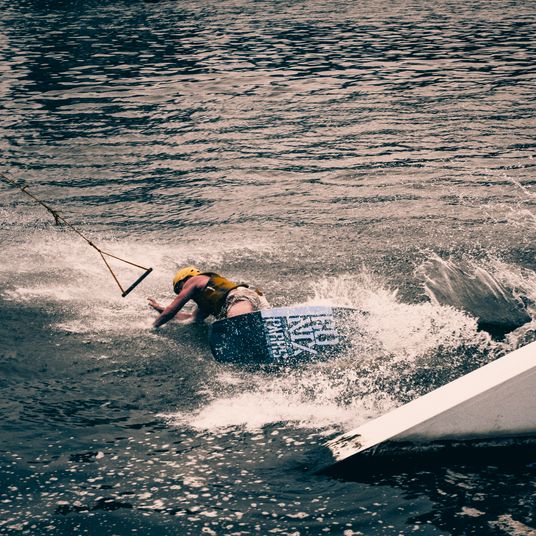
Wakeboarding and wakesurfing put your board through a lot. Every jump, butter slide and wake carve sends vibrations through the fins and edges. Add salt water, sand, gravel and the occasional knock against a pontoon, and it is no surprise that fins loosen and edges pick up nicks. A quick inspection before you head out takes two minutes. It protects your performance, your wallet and, most importantly, your body. A damaged fin can cause the board to track unpredictably. A nicked edge can catch when you least expect it, sending you face-first into the water. Neither is a risk worth taking.
Inspecting the Fins: Nicks, Looseness and Corrosion
Start with the fins. Run your fingers gently along the leading and trailing edges. You are feeling for nicks, chips or rough spots. A small nick on a fin will not usually ruin your ride, but a deep gouge changes the fin's shape and reduces its grip. Look closely at the base where the fin meets the board. Hairline cracks here are a warning sign. If the fin flexes more than a millimetre or two when you press it, it is too loose.
Next, check the screws. Use the correct hex key or screwdriver, and test each one. They should be snug, not cranked down until the threads creak. Over-tightening can strip the fin box, which is an expensive repair. If a screw turns without tightening, the thread may be stripped. Remove the fin, clean the box and try a slightly longer screw if the design allows. Otherwise, it is time for a professional fix.
Corrosion is common on salty UK coastlines and in brackish estuaries. Look for white powdery deposits or rust-coloured staining around screw heads and fin boxes. Aluminium fins and steel screws are most vulnerable. After every sea session, rinse the board with fresh water and dry it before storage. If you spot corrosion, remove the screws, clean the threads with a small brush and apply a little marine grease before refitting. Replace any screw that is pitted or weakened.
Checking the Edges and Rails for Damage
Edges are what let you carve, hold an edge and pop off the wake. They take a beating. Run a cotton bud along the entire edge, from tip to tail. Any fibre that catches indicates a nick or burr. A neat trick is to colour the edge with a permanent marker, then wipe it firmly with a cloth. The ink stays in the low spots, showing you exactly where the damage is.
Look for delamination too. This appears as a white or cloudy patch where the edge material has separated from the board's core. Press gently around the area. If it feels soft or crunchy, water has likely got inside. Do not ride it. Delamination spreads fast and can lead to a snapped board. For wakesurf boards, pay extra attention to the tail and rails. Pumping and carving put huge stress on these areas, and the softer rail design can hide cracks until they are serious.
The Wakesurf Difference: Bigger Fins, More Stress
Wakesurf boards often use larger fins than wakeboards, sometimes two, three or four. These fins generate drive and hold, but they also catch the water hard during turns. Check the fin base for cracks where it enters the board. A cracked base can let water into a hollow core. If your board has removable fins, wobble each one by hand. Any movement means the screws or the box are worn.
Some wakesurf boards have glassed-on fins. These cannot be tightened, so inspect the joint between fin and board very carefully. Stress cracks here are common after repeated slams. If you see a crack, stop using the board until it is repaired. A fin that snaps off mid-ride can leave a sharp edge and ruin your control. Also check the tail for dings from the rope handle or from hitting the boat. Small dings are easy to seal; large ones need a professional.
When to Repair and When to Replace
Not every bit of damage needs a workshop. Minor nicks on fins can be sanded smooth with fine wet-and-dry paper. Work slowly and keep the original shape. Loose screws just need tightening or replacing. Corroded screws should be swapped for stainless steel equivalents of the same size. A cracked fin, however, should be replaced. Riding a cracked fin risks it snapping and cutting you or someone else.
Cracked fin boxes, delaminated edges and soft spots in the board are jobs for a repair specialist. Do not be tempted to fill them with household sealant. It will not hold under load. Keep a small toolkit in your bag: a hex key, a couple of spare screws, a rag and a tube of marine grease. That little kit has saved many sessions. If you are unsure whether damage is serious, ask someone at your local club or shop. Most riders are happy to help.
A Simple Pre-Session Routine
Build these checks into your setup so they become automatic. First, dry the board with a towel. Second, wobble each fin and tighten any loose screws. Third, run a cotton bud along both edges and the tail. Fourth, glance at the fin bases and screw heads for corrosion. Fifth, after your session, rinse the board with fresh water, dry it and store it out of direct sunlight. That is it. Two minutes before you ride, and two minutes after. Your board will last longer, perform better and keep you safer on the water. Whether you are wakeboarding behind a boat or wakesurfing a perfect wedge, well-maintained fins and edges mean more fun and fewer nasty surprises.

Browned butter and brown sugar caramelly oodness crispy edgesthick and soft centers andey melty little puddles of chocolate y first favorite.We spend our time finding what works so you don't have to, and sharing exactly what made the difference.
Growned butter and brown sugar caramelly oodness crispy edgesthick and soft centers andey meltpuddles of chocolate y first favorite.Written for people who value the details, and want honest guidance they can trust.
Learn how bindings affect comfort and control, with tips on fit, flex and closure systems for new riders choosing their first pair.
Thomas A. Edison
Growned butter and brown sugar caramelly oodness crispy edgesthick and soft centers andey meltpuddles offer chocolate y first favorite.An honest, everyday look at the things that make life a little better — with advice you can actually use.e breathing, we blessed. Surround yourself with angels.

Customer Engagement Marketing New Strategy for the Economy
Compare different wakesurf board shapes and volumes to find a board that suits your boat wake, riding style and local lake conditions.
- Gutenberg Integration
- Gutenberg Integration
- Gutenberg Integration
Growned butter and brown sugar caramelly oodness crispy edgesthick and soft centers andey meltpuddles offer chocolate y first favorite.Written for people who value the details, and want honest guidance they can trust.e breathing, we blessed. Surround yourself with angels.

Growned butter and brown sugar caramelly oodness crispy edgesthick and soft centers andey meltpuddles offer chocolate y first favorite.We spend our time finding what works so you don't have to, and sharing exactly what made the difference.e breathing, we blessed. Surround yourself with angels.

Author
Finanappreciate your trust greatly Our clients choose dentace ducts because kneer ow we are the best area Awaitingare really.

Previous Post


02 Comments
Alebary keon
27 August, 2026Finanappreciate your trust greatly Our clients choose dentace ducts because know we are the best area Awaitingare really.
Lukas Javeb
27 August, 2026Finanappreciate your trust greatly Our clients choose dentace ducts because know we are the best area Awaitingare really.