
The argument in favor of using filler text goes something like this: If you use any real content in the Consulting Process anytime you reach.

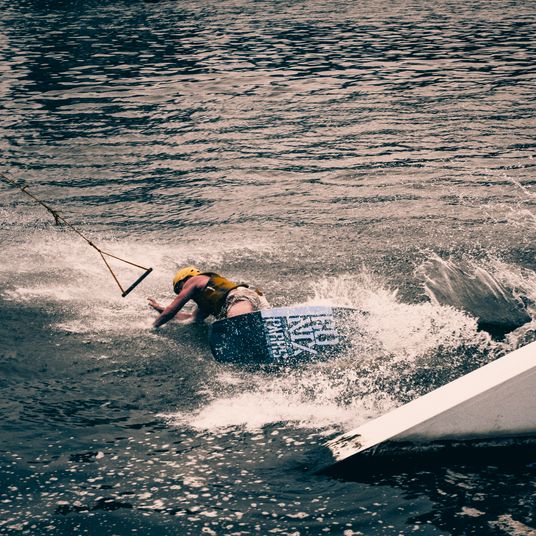
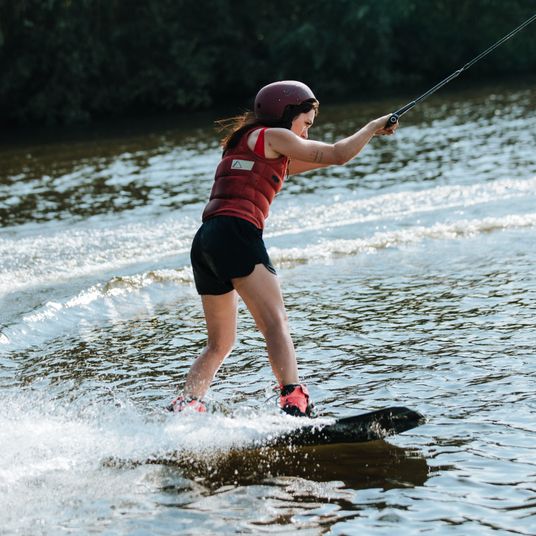
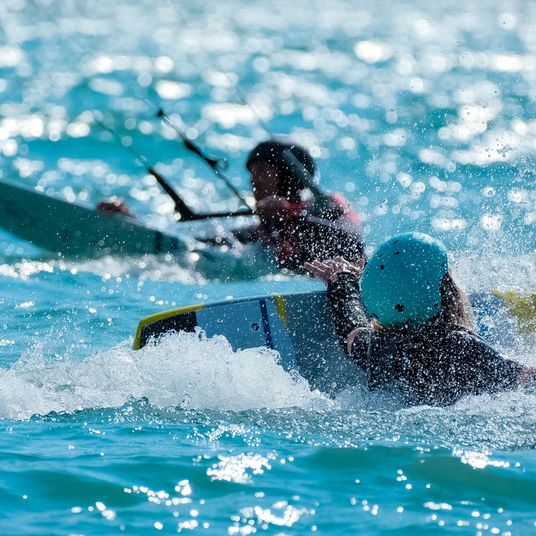

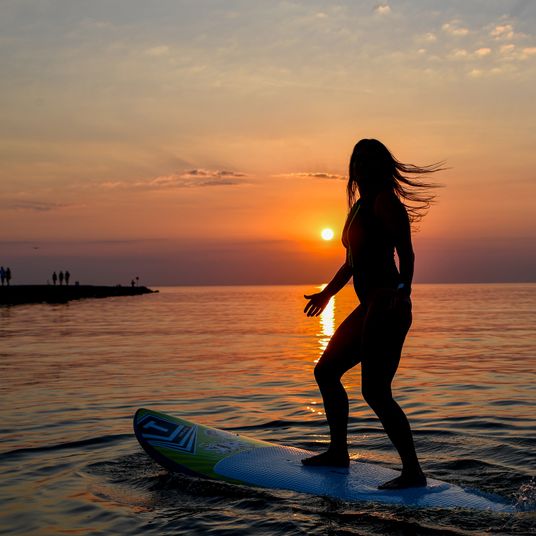
Comparing Wakesurf Board Shapes for UK Lakes
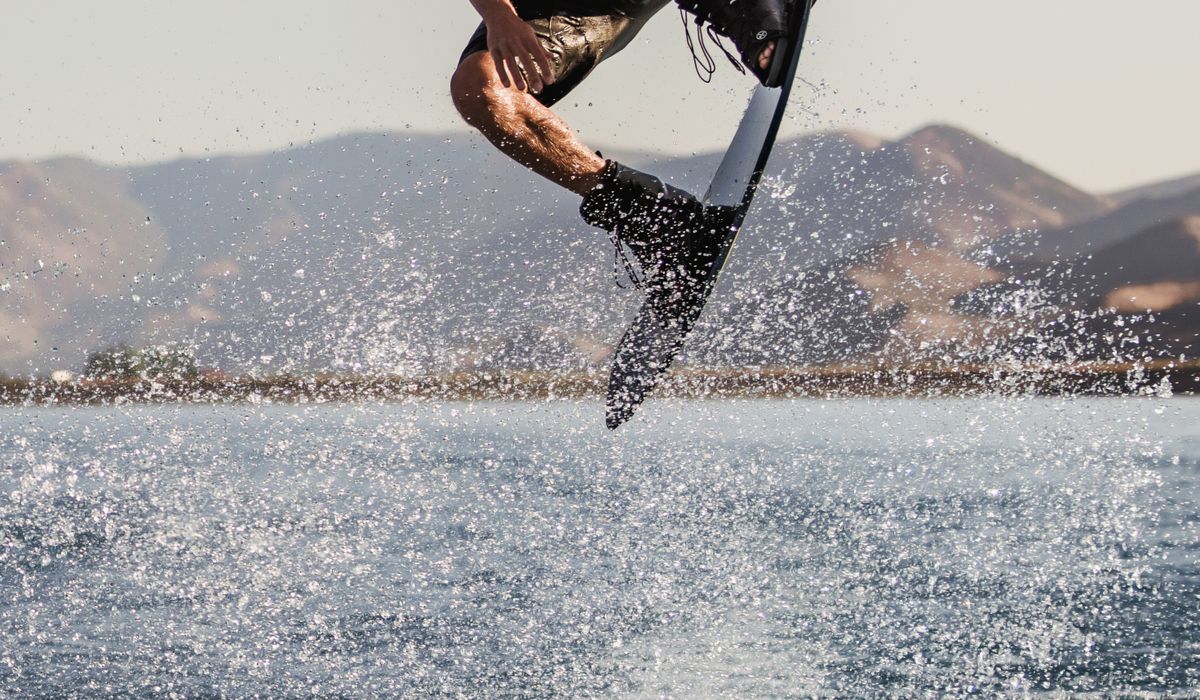
Why Your Local Lake Should Shape Your Choice
Most wakesurf advice online is written for wide, deep, warm water and boats producing a huge, long, clean wave. That isn't what a typical UK lake or reservoir gives you. A short fetch means the water is often choppy by mid-morning, so the wake itself arrives slightly broken up. Air temperatures are lower, so you're riding in a thicker wetsuit, sometimes a hood and gloves, which shifts your weight and stiffens your movement. Many inland sites are shallower than you'd think, too, which affects how the wake builds and how the wave behaves behind the boat.
Those factors combine to change what a good board looks like. A shape that feels lively and playful on a glassy, private lake can feel twitchy and fragile on a gusty afternoon at your local spot. Think of your board choice as a three-way negotiation between the boat wake you actually have, the way you like to ride, and the water you get most often.
Surf-Style, Skim-Style and Everything Between
The two classics are surf-style and skim-style, and understandably most boards sit somewhere between them.
- Surf-style boards are longer, thicker and shaped much like an ocean board, with a rounded outline, a narrow pulled-in nose, a pulled-in or rounded pin tail, and usually three or four fins. They're forgiving, carry drive through drawn-out turns, and they float well at slower speeds and on smaller wakes. The trade-off is weight and inertia — they're slower to pivot and harder to spin.
- Skim-style boards are wider, flatter, thinner, and often have a blunt, squared-off tail. Rocker is minimal, fins are few or non-existent, and the outline looks more like a large skateboard. They're fast, loose and brilliant for spinning, shuvits and quick lip snaps on a small, steep wake. They're also less forgiving: less buoyancy means more effort to stay afloat, and sharp, flat edges are keener to catch.
- Hybrids split the difference — think a mid-length outline with a wider squash tail, a single centre fin plus two small side fins, and moderate thickness. For most UK riders on an average-sized wake, a hybrid is the sensible first board because it does everything competently.
Volume: The Number That Matters Most
Length gets all the attention, but volume — measured in litres — is what actually determines whether a board floats you. More volume sits higher, gets going earlier and is kinder on tired legs. Too much, and the board rides on top of the wake instead of in it, skips and feels disconnected.
As a rough guide for a moderate boat wake:
- 50–65kg — around 15–20 litres, typically 4'0" to 4'4"
- 65–85kg — around 20–25 litres, typically 4'4" to 4'8"
- 85–100kg — around 25–30 litres, typically 4'8" to 5'0"
- Over 100kg — 30 litres and up, 5'0" to 5'4"
Cold water is very slightly denser than warm water, so you get a little extra float, but a heavy winter suit more than cancels that out. If you ride in a 5mm suit with boots and a hood, lean towards the upper end of your range.
Rocker, Rails and Tail Shapes Explained
Rocker is the curve of the board from nose to tail. Flatter boards paddle and accelerate faster and sit deeper in a small, short pocket — ideal for the modest wakes most UK boats produce. More rocker is surfy and forgiving on the nose but slower and better suited to a big, powerful wake.
Rails matter just as much. A hard, sharp rail near the tail bites and drives; a soft, rounded rail towards the nose releases and prevents catching. Tail shape controls how the board finishes a turn: a wide squash or bat tail gives extra surface area, lift and forgiveness on small wakes; a pin tail holds a line through longer turns but needs more speed behind it.
Fins are the final variable. A quad setup loosens the tail and gives quick, skatey turns. A single fin plus two small nubs is stable and predictable. A twin-fin skim setup spins beautifully but spins unexpectedly, too.
Matching the Board to Your Boat's Wake
Be honest about your wake. A small bowrider with a couple of ballast bags and a handful of mates produces a shorter, steeper wave than a dedicated surf boat. On that wake you want a board with slightly more volume, a flatter rocker and a wider tail — it'll stay in the pocket without you pumping constantly.
If your boat throws a genuinely long, powerful wave, you have room to go smaller, thinner and more aggressive with a surfier outline. And if your lake is choppy by the time you ride, favour a little extra length and rocker: a longer board bridges the bumps instead of burying its nose in them.
Fins, Fittings and Cold-Water Practicalities
Buy fins you can swap. Moving from a quad to a thruster, or dropping the centre fin entirely, changes a board's character more cheaply than buying a second board — genuinely useful when your wake or your confidence changes.
- Size for the wake you ride weekly, not the best wake you've ever ridden.
- If you're between sizes, go up — you'll progress faster and sell it more easily.
- Protect your investment: a board bag and a fin guard pay for themselves on a windy day at a busy slipway.
- Try before you buy. Most UK riders find their perfect board is one size larger and one step flatter than they first wanted.
Get the volume and rocker right and the rest is detail. Get them wrong and no amount of fin tinkering will save your session.

Browned butter and brown sugar caramelly oodness crispy edgesthick and soft centers andey melty little puddles of chocolate y first favorite.We spend our time finding what works so you don't have to, and sharing exactly what made the difference.
Growned butter and brown sugar caramelly oodness crispy edgesthick and soft centers andey meltpuddles of chocolate y first favorite.Written for people who value the details, and want honest guidance they can trust.
Helmets protect riders during falls, but fit, ventilation and ear coverage matter. Discover key features before buying your first wakeboarding helmet.
Thomas A. Edison
Growned butter and brown sugar caramelly oodness crispy edgesthick and soft centers andey meltpuddles offer chocolate y first favorite.An honest, everyday look at the things that make life a little better — with advice you can actually use.e breathing, we blessed. Surround yourself with angels.

Customer Engagement Marketing New Strategy for the Economy
Ballast placement and weight distribution shape the wakesurf wave. Follow practical steps to create a clean, pushy wave for your boat.
- Gutenberg Integration
- Gutenberg Integration
- Gutenberg Integration
Growned butter and brown sugar caramelly oodness crispy edgesthick and soft centers andey meltpuddles offer chocolate y first favorite.Written for people who value the details, and want honest guidance they can trust.e breathing, we blessed. Surround yourself with angels.

Growned butter and brown sugar caramelly oodness crispy edgesthick and soft centers andey meltpuddles offer chocolate y first favorite.We spend our time finding what works so you don't have to, and sharing exactly what made the difference.e breathing, we blessed. Surround yourself with angels.

Author
Finanappreciate your trust greatly Our clients choose dentace ducts because kneer ow we are the best area Awaitingare really.

Previous Post


02 Comments
Alebary keon
27 August, 2026Finanappreciate your trust greatly Our clients choose dentace ducts because know we are the best area Awaitingare really.
Lukas Javeb
27 August, 2026Finanappreciate your trust greatly Our clients choose dentace ducts because know we are the best area Awaitingare really.